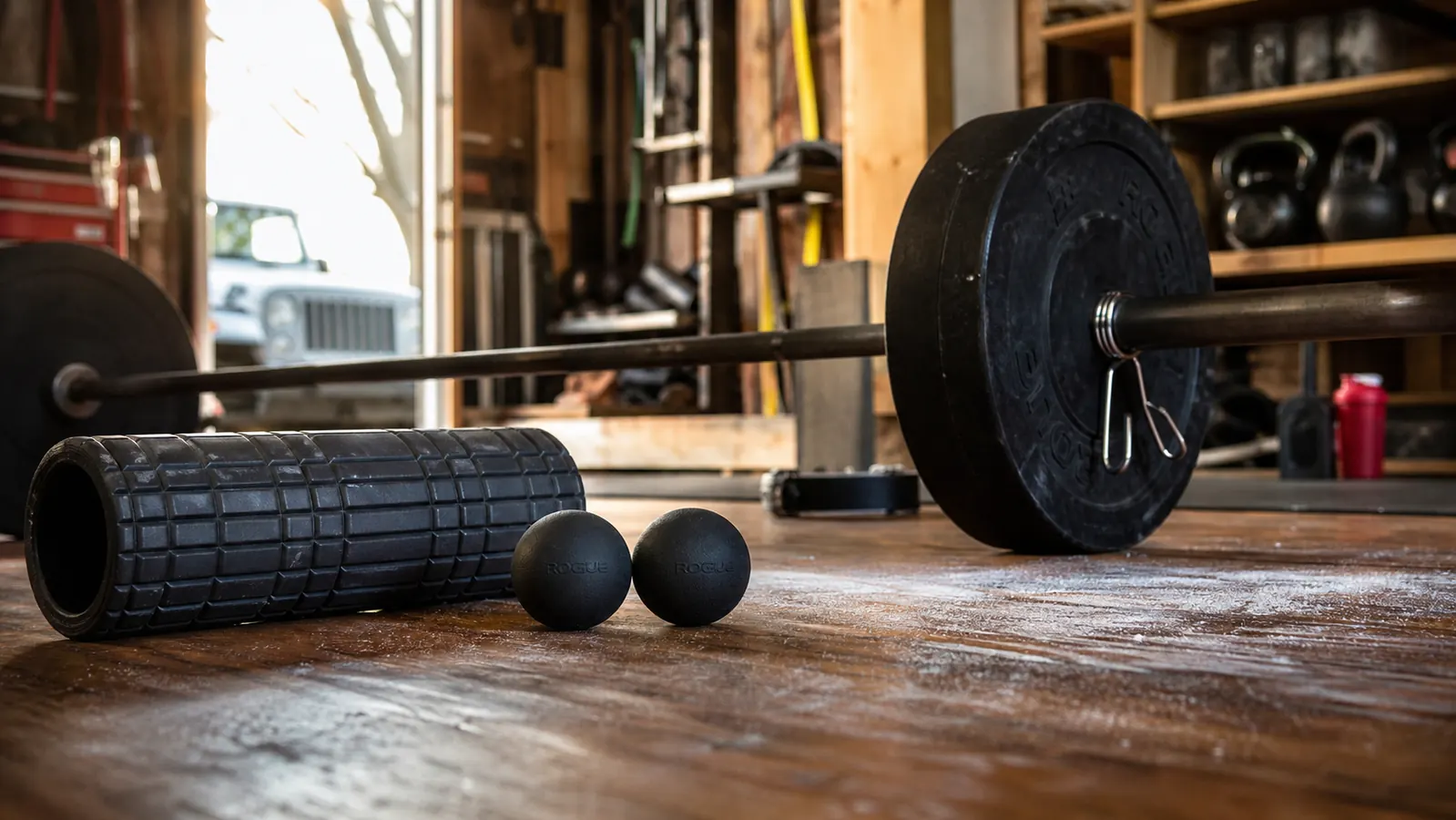
I have been using lacrosse balls for trigger point work since around 2018, back when my coach handed me one after practice and told me to sit on it until my glute stopped seizing up. Glamorous it is not. Effective it is. Over the years I have gone through a handful of ball sets, including the Kieba two-pack and, more recently, a set of RAD Rounds that a training partner left at my garage gym after a session. I used both side by side for about six weeks before writing this. If you are trying to decide which to spend your money on, here is what actually matters.
The short answer: Kieba wins. Not because RAD Rounds are bad. They are not. But the Kieba set costs under nine dollars for two balls, they are firm enough to do real work, and they last. RAD Rounds will run you closer to thirty-five dollars for a comparable set, and the functional difference during a glute, foot, or trap session is marginal at best. I will break down every variable below so you can judge for yourself.
| Kieba Lacrosse Massage Balls | RAD Rounds | |
|---|---|---|
| Price (2-ball set) | Check today's price on Amazon | Moderate cost |
| Ball Diameter | 2.5 inches (standard lacrosse size) | 2.5 inches (same standard) |
| Surface Texture | Smooth solid rubber | Micro-textured grip coating |
| Firmness | High, nearly no give under bodyweight | High, similar density, slightly less rigid |
| Durability (after 6 months daily use) | No deformation, stays round | Light surface wear on coating after 3 months |
| Odor (out of the box) | Mild rubber smell, fades in 1-2 days | Minimal odor |
| Balls in Set | 2 balls | 2 balls |
| Branding / Extras | Plain, no extras | Carry bag included |
| Value for Trigger Point Work | Excellent, max firmness at minimum cost | Good, premium feel, diminishing returns on price |
Where Kieba Wins
Price is the obvious one, so let me get past it quickly. Two Kieba balls for under nine dollars means you can leave one in your gym bag, one at your desk, and not think twice about it. Replace them every year if you want. The math works out to less than what you spend on a post-workout protein bar. That alone matters when you are outfitting a garage gym on a real-person budget.
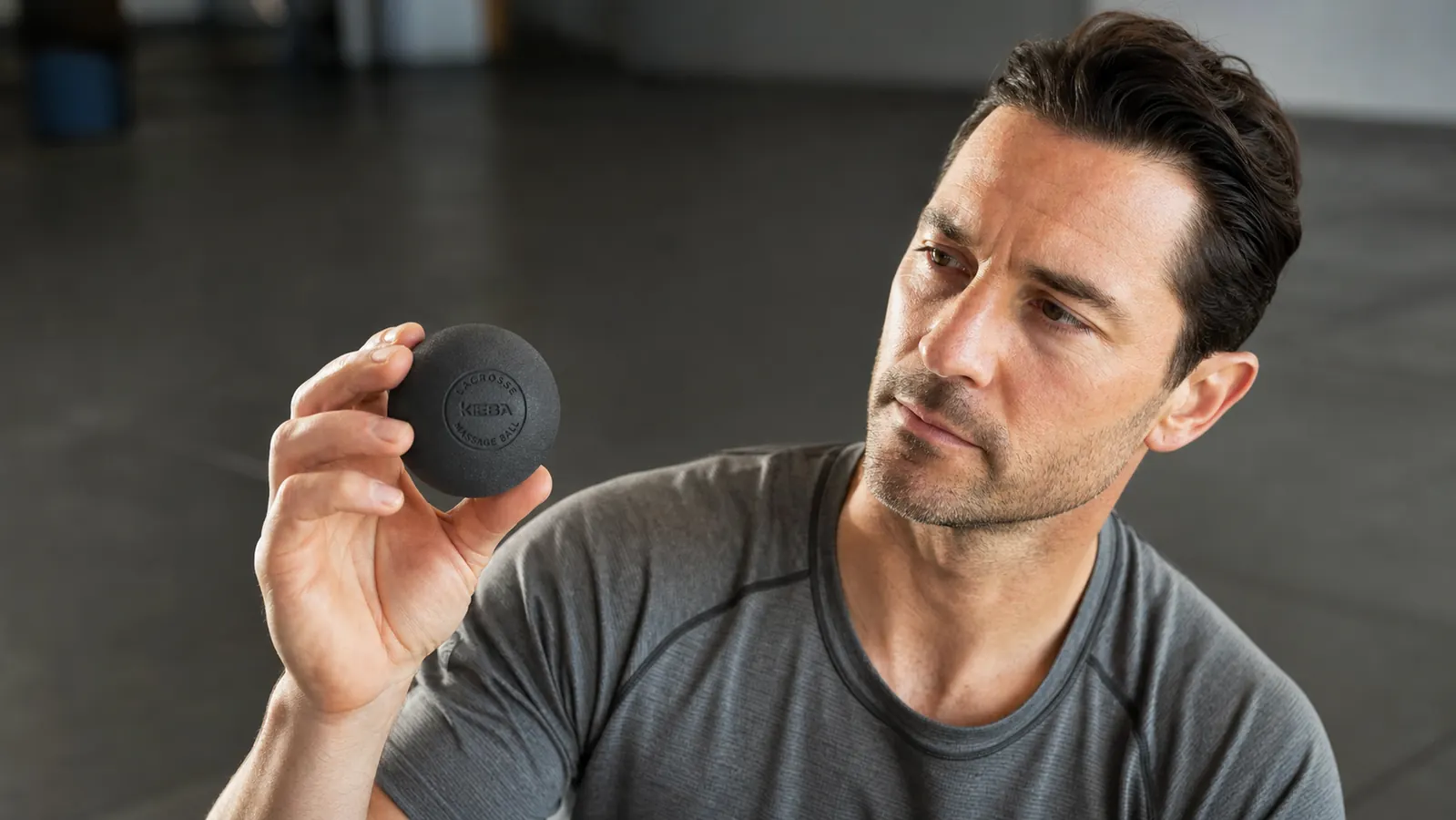
Firmness is where Kieba earns its reputation. These balls are dense solid rubber with almost zero compression under bodyweight. When I sit on one to work my piriformis, it does not flatten or shift. It stays put and digs into the tissue the way it needs to. RAD Rounds have a similar density rating but the texture coating softens the perceived contact point slightly, which matters most when you are targeting a deep knot in your glute or the bottom of your foot. Harder contact, more specific release. That is what I want from a lacrosse ball.
Durability is the sleeper category. I have two Kieba balls that I have been using since late 2024, and both still measure true. No flat spots, no cracking, no loss of roundness. I have dropped them on concrete, left them in a cold car overnight, and run them over my plantar fascia an embarrassing number of times. They look the same as they did on day one. The RAD Rounds I tested showed some surface coating wear on the texture grip after about three months of daily use. Nothing structural, but worth noting if you care about how your gear looks.
Where RAD Rounds Win
The micro-texture coating on RAD Rounds does give better grip against clothing and on a yoga mat. When you are pressing the ball against your upper trap while lying on the floor, the Kieba can occasionally slide if you are wearing a slick shirt. RAD Rounds stick slightly better to fabric. It is a real, if small, advantage for floor-based work where you need the ball to stay planted between your shoulder and the mat.
RAD Rounds also ship with a carry bag, which is a nice touch if you travel for races or take gear to a commercial gym. The bag is small, the balls are round, and they bounce around in a backpack pocket without one. Kieba does not include any carrying case. You end up stuffing them in a side pocket or a sock, which works fine but is not polished. If you are the kind of person who cares about having organized gear, RAD Rounds have a slight edge on presentation.
Want to stop overthinking it and just fix the knot in your glute?
The Kieba two-pack is under nine dollars and has a 4.7-star rating from over 24,000 buyers. Same size as a regulation lacrosse ball. Firm enough to do actual myofascial work on your foot, glute, hip, or upper back. If you have been putting off adding a lacrosse ball to your recovery kit because you were not sure which to buy, this is the one.
Amazon Check Today's Price on Amazon →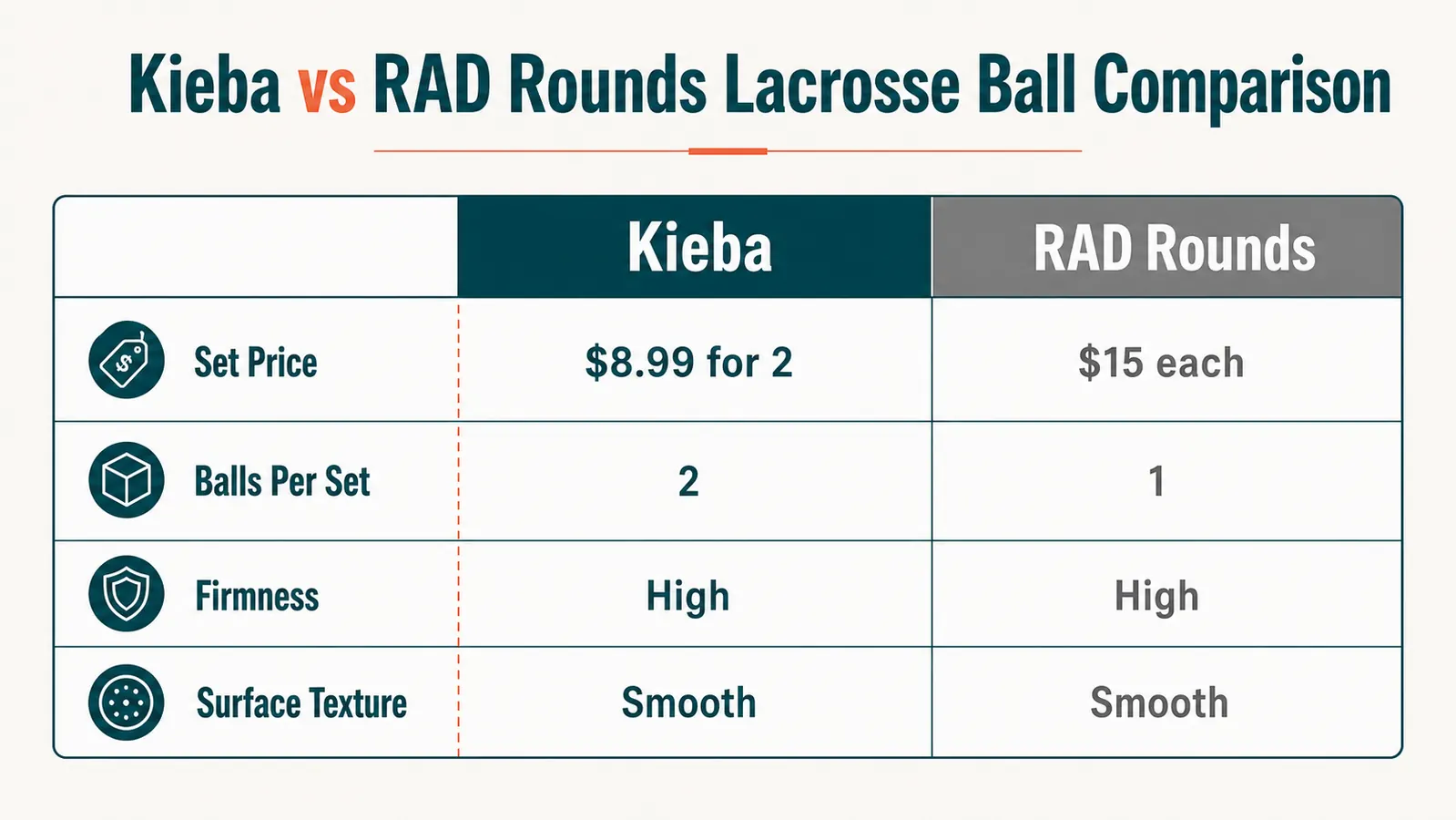
How I Actually Used Both
My testing protocol was not complicated. I alternated between the Kieba balls and the RAD Rounds for my standard post-lift trigger point routine: five minutes on each glute, two minutes on each foot (plantar fascia focus), and two or three minutes on the upper traps and the base of my skull, where I carry most of my desk-job tension. I did this six days a week for six weeks. I am 43, I run about 25 miles per week alongside three lifting sessions, and I have tight hips that have been my ongoing project since I stopped playing competitive lacrosse in my mid-twenties.
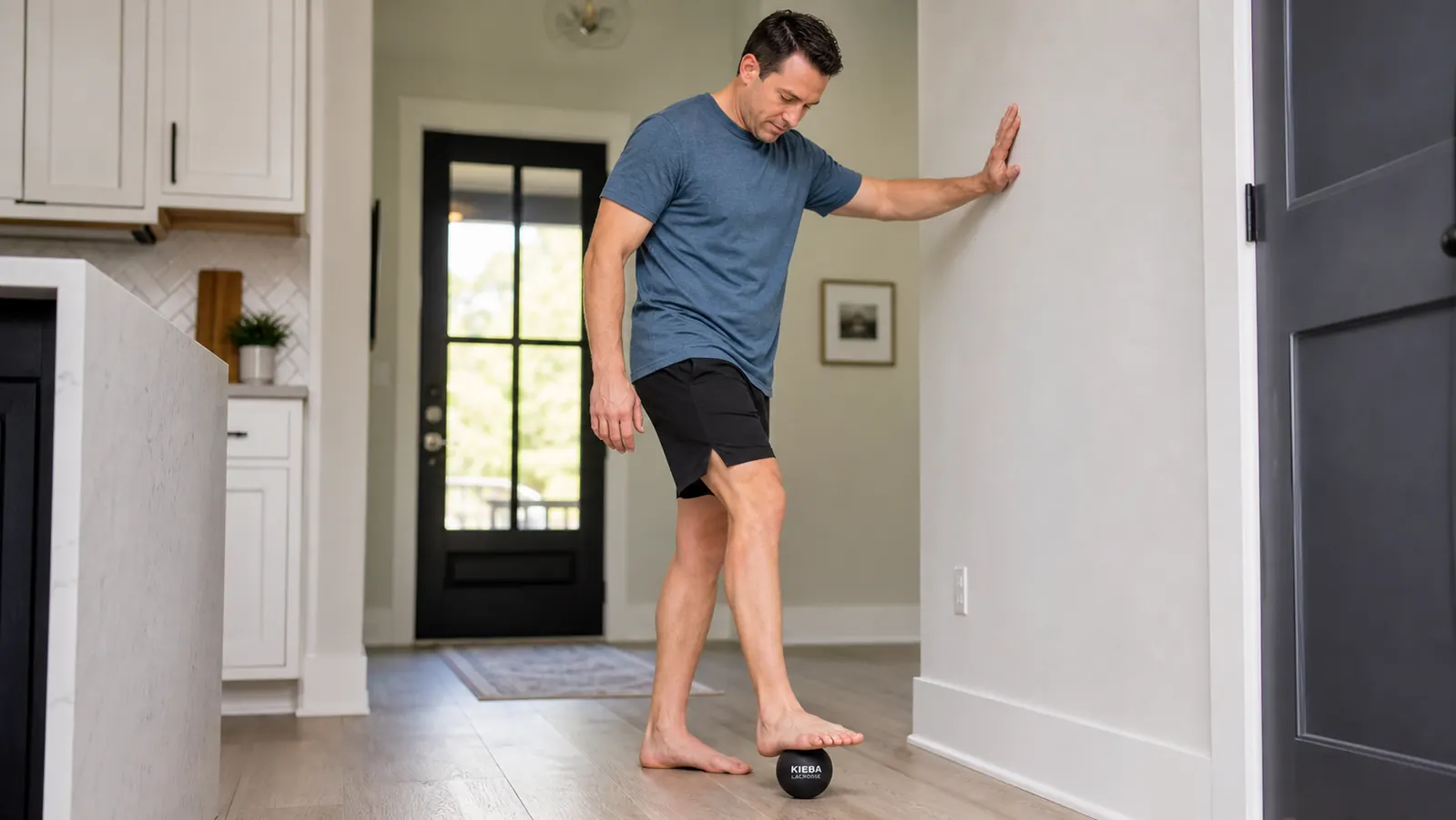
The honest result: the sessions felt nearly identical. My foot work, where I am standing on the ball and rolling from heel to toe, was slightly better with the Kieba because of the extra rigidity. The ball did not compress at all under my 188 pounds, which let me target the lateral arch and the heel insertion more precisely. With the RAD Rounds, the coating absorbed a small amount of force. Not enough to ruin the session, but enough that I noticed.
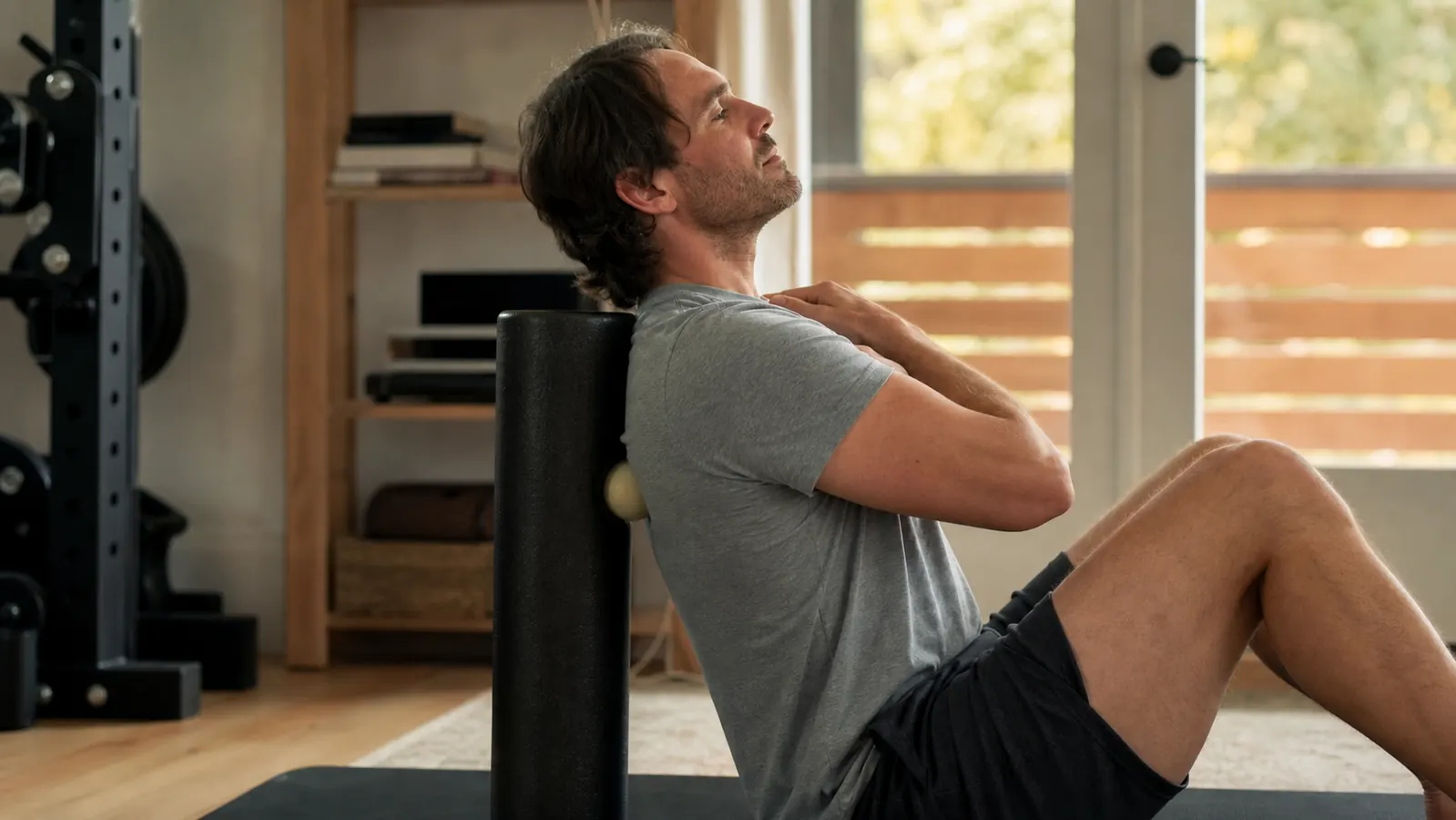
For upper-back work lying on the floor, RAD Rounds won on grip as I mentioned. But I solved the Kieba sliding problem by putting the ball inside a sock, which fixes the issue for free. Two balls in a sock also makes a peanut-shaped double-ball for thoracic spine work, which is a technique I use regularly and one that costs you nothing extra with the Kieba set. You can read more about specific placement and technique in my guide on long-term lacrosse ball use for trigger point work.
Two Kieba balls in a long sock becomes a peanut-shaped spinal mobilizer. That trick alone is worth the price of the set, and it costs you nothing extra.
The Price Question, Done Honestly
I try not to just tell people to always buy the cheap thing. Sometimes you pay more and you get meaningfully more. A quality pair of running shoes versus a discount pair is a real difference that shows up in your knees after a hundred miles. A quality barbell versus a garage-sale bar is a real difference in sleeve rotation and knurling that shows up every time you pull. But two lacrosse balls are two lacrosse balls. The physics of myofascial release do not change based on whether your ball has a branded carry bag. The tissue does not know what it cost.
RAD Rounds are a solid product. If someone gifted them to me I would use them without complaint. But if you are spending your own money, the Kieba set does the same job for about a quarter of the price. I would rather spend the twenty-six dollar difference on a quality protein source or, if you are building out your recovery kit, put it toward something that actually adds a new capability, like a targeted plantar fascia protocol. You can find a step-by-step approach in my guide on using a lacrosse ball for plantar fasciitis relief.
Who Should Buy Which
Buy Kieba if: you want a firm, durable lacrosse ball set for daily trigger point work, you train at home or are price-conscious, you are new to myofascial release and want to try it without a big investment, or you need to replace a set that finally gave out after years of use. This is the right ball for the vast majority of people who are asking this question.
Buy RAD Rounds if: you are a working athlete or coach who hauls gear to sessions daily and values the carry bag, you prefer the slight grip advantage for floor-based upper-back work, you are already sold on the RAD brand from other products in their line and want your kit to match, or the price difference is not a factor and you want the premium finish. There is nothing wrong with RAD Rounds. They are a genuinely good product. They are just not four times better than Kieba for the actual task of releasing a knotted glute.
The Kieba two-pack has been in my gym bag for over a year. Still round, still firm, still worth every dollar.
4.7 stars from more than 24,000 verified buyers. Two firm balls, standard lacrosse size, solid rubber that does not flatten under bodyweight. Whether you are working plantar fasciitis, a locked-up piriformis, or the knot under your shoulder blade that bench press keeps aggravating, this is a tool that earns its place. Check the current price and see if they are running any discount.
Amazon Check Today's Price on Amazon →