
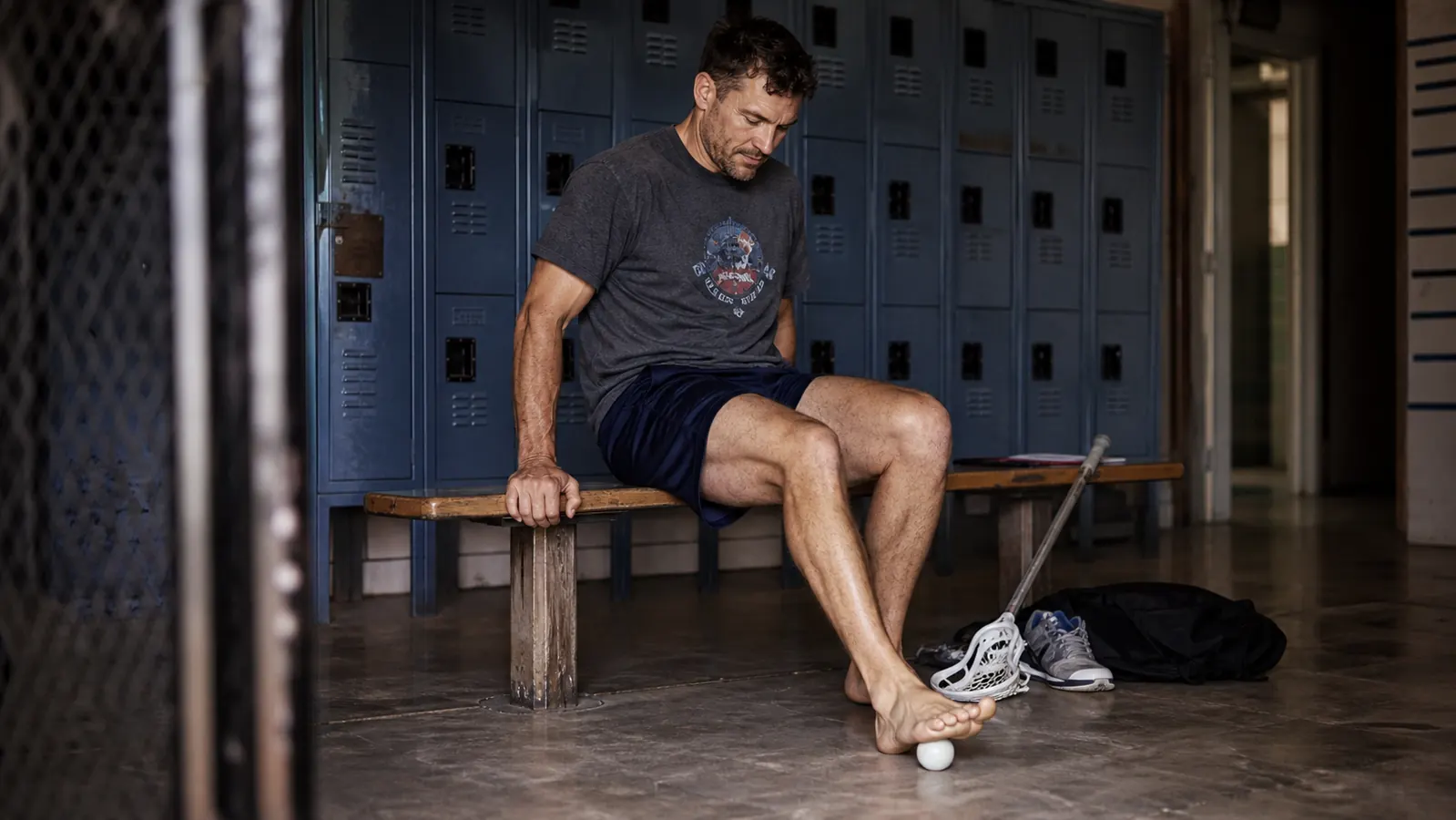
About fourteen months ago I was in the middle of a pretty rough stretch. I had just finished a half-marathon where my left hip had been yelling at me from mile four onward, and the two days after felt like I was walking around with a rebar rod jammed into my glute. I had a foam roller. I had a massage gun. I had stretching routines I had been doing for years. None of them were getting into the specific knot that was causing the problem. My buddy at the gym told me to try a lacrosse ball on the piriformis. I looked it up, ordered the Kieba set at a low price point, and thought I was buying a throwaway tool to try once and forget about. Twelve months later, those two balls are still in my gym bag every single day, and they have changed how I think about recovery more than anything else I have tried.
The Kieba Massage Lacrosse Balls are sold as a set of two firm rubber balls designed for myofascial release, trigger point therapy, and muscle knot work. That is exactly what they are. No gimmick, no battery, no app. Just targeted pressure you can put exactly where you need it. After a year of daily use across trail runs, heavy leg days, tweaked lower backs, and stiff mornings, I have a clear picture of what they do well and where they fall short.
The Quick Verdict
The most effective dollar-for-dollar recovery tool in my gym bag. Not a replacement for a massage gun on large muscle groups, but nothing touches them for deep, pinpoint trigger point work on the glutes, piriformis, plantar fascia, pec minor, and thoracic spine.
Amazon Check Today's Price →Your hips are probably tighter than you think. Two firm balls and ten minutes a day can change that.
The Kieba set is a pair of firm myofascial release balls designed for trigger point work on the spots foam rollers and massage guns cannot reach accurately. Budget-friendly for the set.
Amazon Check Today's Price on Amazon →How I Have Used Them Over 12 Months
My routine with these balls has evolved a lot. In the beginning I was using them reactively, meaning I would grab one when something hurt. After about six weeks I moved to a daily pre-workout and post-workout routine targeting the spots I know get chronically tight. I am 44, I train six days a week, and my problem areas are predictable: left hip and glute, thoracic spine between the shoulder blades, the bottom of my left foot from plantar fascia issues that flare up around high mileage weeks, and the base of my skull where tension headaches start after heavy overhead pressing. The Kieba balls address all four of those spots in ways no other tool in my kit does as precisely.
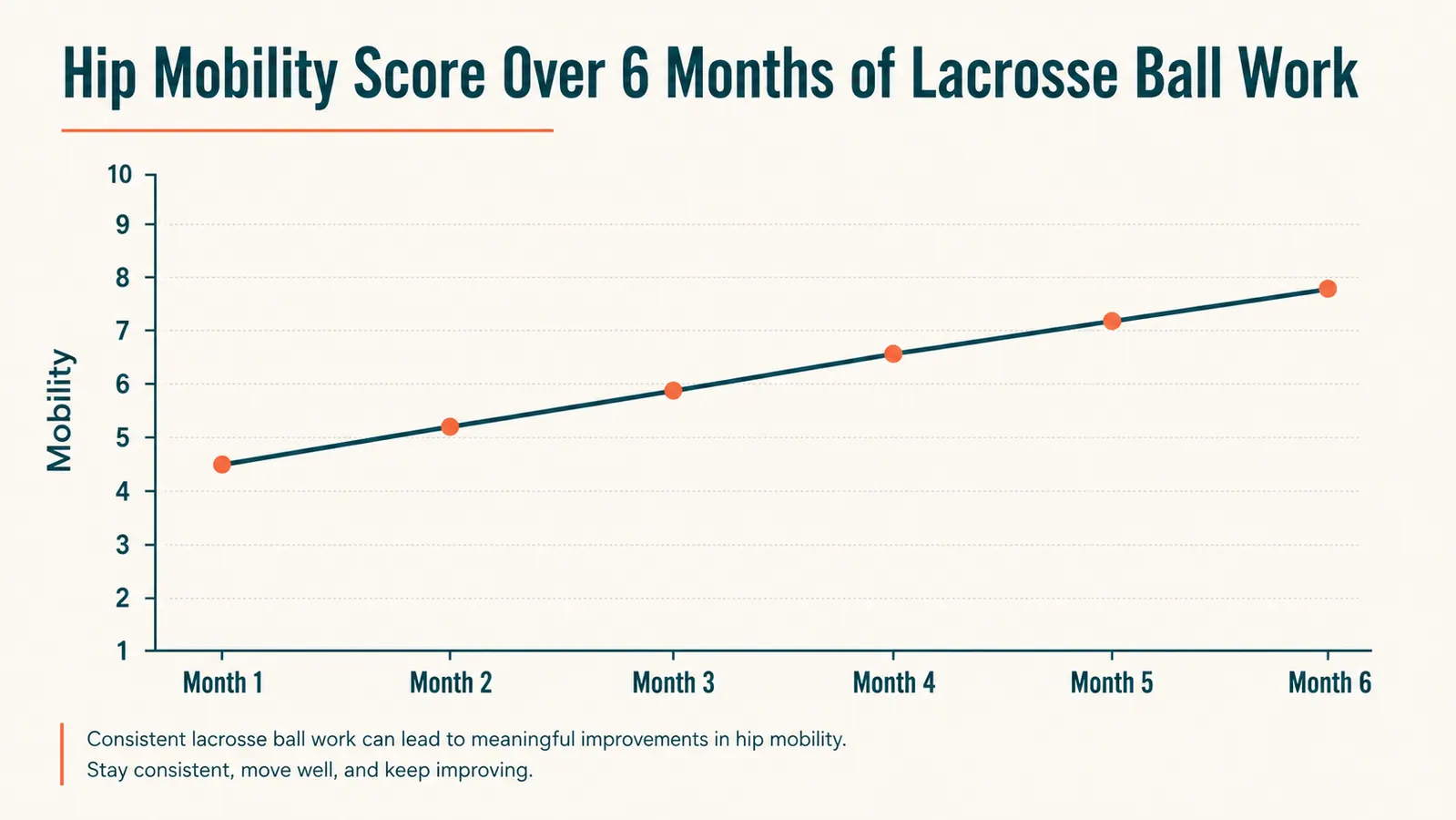
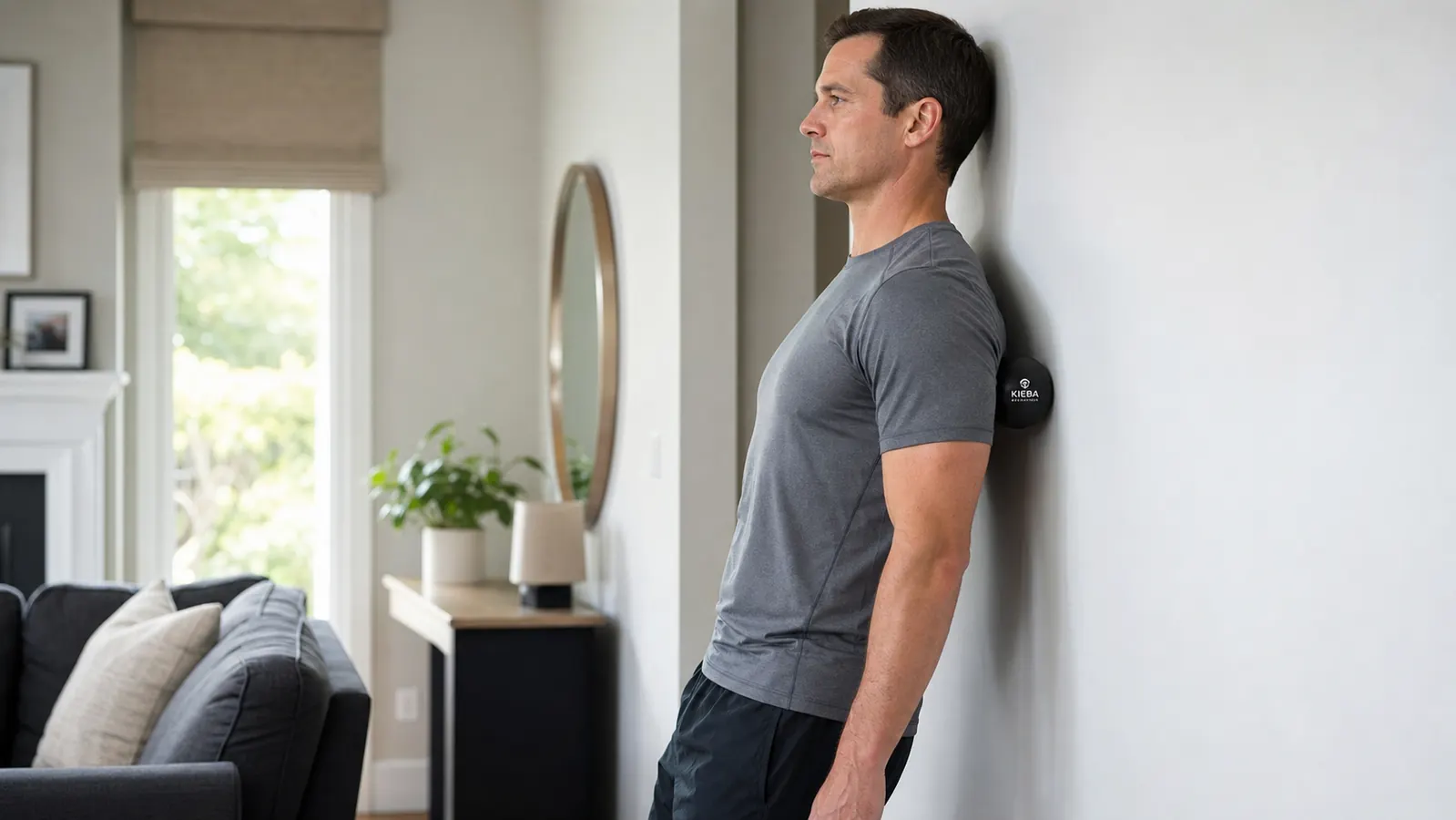
A typical morning session is about eight minutes. I put one ball between my upper back and the wall and work across the thoracic vertebrae on each side. Then I sit on the floor with a ball under my left glute and do slow circles until I hit a knot. I hold pressure for 20 to 30 seconds, breathe through it, and move on. Some mornings that knot is a 6 or 7 out of 10 on pain, some days it is a 3. Before this routine, I was consistently waking up at a 7 or 8 on the soreness scale in those spots. After about 60 days it leveled out to 3 or 4 most mornings. The chart in this article shows how that tracked over time.
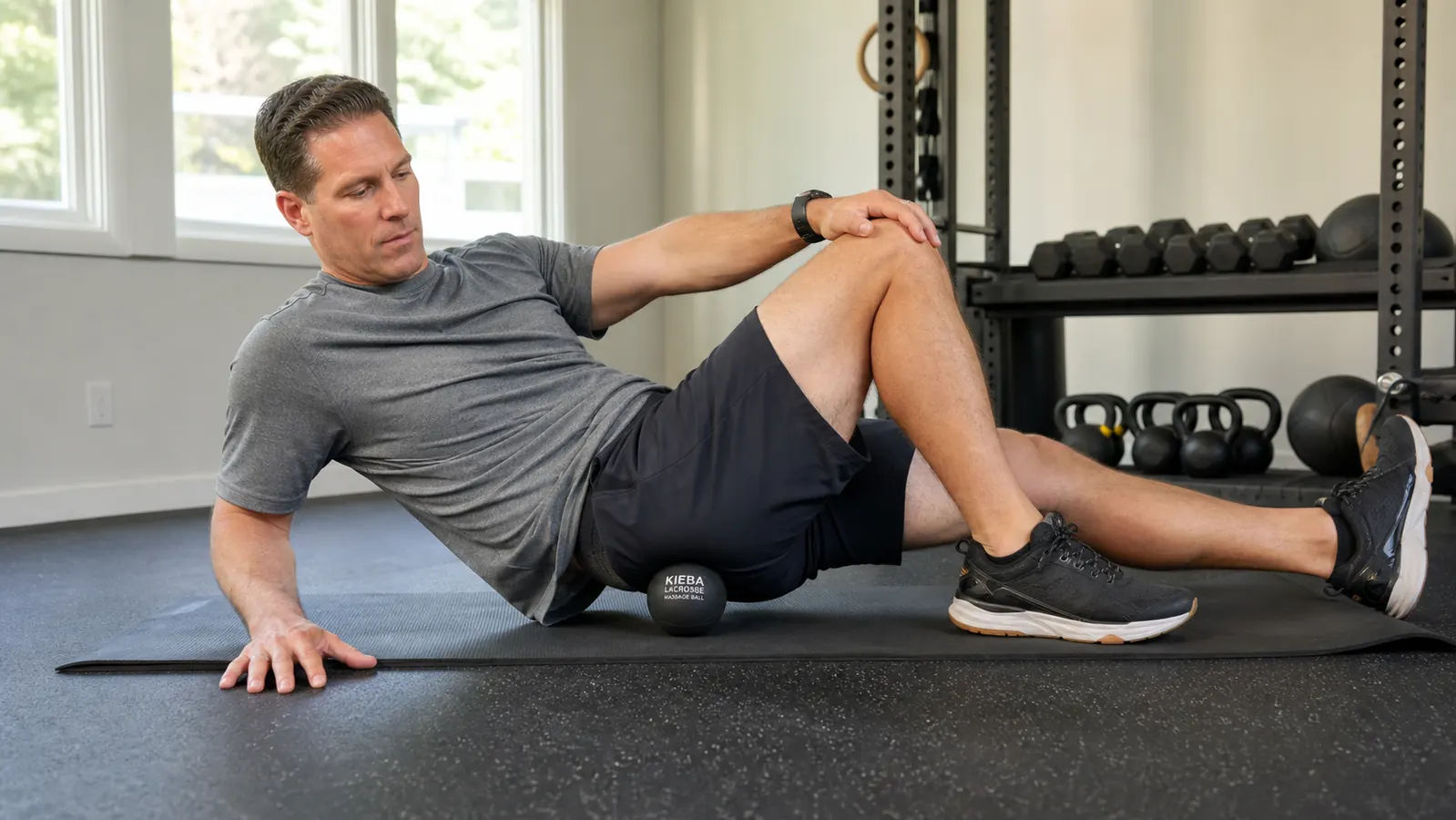
On leg day I will use one ball on the floor and roll out my plantar fascia standing up. After long runs I will use both balls together, side by side, to do a thoracic spine extension where I lay on them across my mid-back and open up my chest. That two-ball setup is actually underrated. Most people just use one at a time. The double-ball configuration for T-spine work is one of the most effective things I have found for undoing the forward-hunched position that a desk job plus heavy pressing creates.
Build Quality and Durability After a Year
The Kieba balls are made of solid rubber and they are firm. Not tennis ball firm. Not Superball bouncy. Think of a slightly softer lacrosse ball, which is exactly what they are modeled after. They have a slight texture on the surface that gives them a bit of grip against a wall or on the floor without sliding around when you lean into them. That texture is more noticeable when they are new. After twelve months of daily use mine have smoothed out a bit on the surface, but they have not changed shape, they have not developed flat spots, and they have not cracked. I have left them in a hot car, dropped them on concrete, and shoved them in a gym bag with metal water bottles. They look used but they are structurally unchanged.
The two balls in the set are identical in size and firmness. Both measure about 2.5 inches in diameter. I have not noticed any variation between them, which matters if you are using them together for the T-spine double-ball technique. If one were softer than the other it would defeat the purpose. They are also a good size for hitting most trigger point spots. Small enough to get into the piriformis and sub-occipital area, large enough to get traction against a wall on the upper back. The one situation where the size is a limitation is trying to get deep into the arch of a very small foot, but that is a minor complaint.
What They Actually Fixed and Where the Limits Are
I want to be direct about this because lacrosse ball mythology has gotten out of hand. These are not going to fix a structural injury. They are not physical therapy. If you have a disc issue, a labrum tear, or actual nerve compression, a rubber ball is not your answer and you should see someone who went to school for this. What they are genuinely good at is releasing chronically tight muscles and connective tissue that are restricting range of motion and contributing to low-level, nagging pain. That is a specific and meaningful thing, and it is something I have felt clearly over 12 months.
The hip and glute work has been the most impactful for me. I used to have a lateral hip ache on squats above 275 that would hit around the third or fourth set. After about eight weeks of consistent piriformis and TFL work with the ball, that ache dropped from about a 5 out of 10 to around a 1 or 2. I can squat four or five sets now without it becoming an issue. That one change justified the price of these balls about 300 times over. My plantar fascia mornings are also noticeably better. I used to limp for the first ten steps out of bed. Now it takes about two minutes of ball work standing on it before I am moving normally. I would not say the plantar fascia issue is resolved, but the daily flare-up is manageable in a way it was not before.
Where the balls fall short is on larger muscle groups. They are too small to get meaningful coverage on the quads or hamstrings. You can try but you will spend a long time creeping across a big muscle. For anything larger than the glute, the foam roller or the massage gun is faster and more practical. Think of the lacrosse ball as a finishing tool, not a full replacement. After I foam roll my quads I will often use the ball to hunt down any remaining specific knots. That layered approach works really well.
After eight weeks of consistent piriformis work with the ball, the lateral hip ache I used to get on squats dropped from a 5 out of 10 to a 1 or 2. That one change justified the price of these things about 300 times over.
How They Compare to Other Trigger Point Tools I Have Tried
I have owned a Thera-cane, a couple of different spiky acupressure balls, a peanut-shaped foam roller insert, and a handheld metal roller before settling into the Kieba balls as my daily tool. The spiky balls feel more intense but they are harder to place accurately and the texture can be distracting. The Thera-cane is useful for reaching spots you cannot get to with a ball, like the mid-upper trap, but it is awkward to use and takes up more space. The peanut roller is great for T-spine but it is softer than the Kieba balls and does not give you the same pressure depth.
If you are comparing the Kieba specifically against more expensive lacrosse-style therapy balls, the main thing you are paying for at higher price points is marketing and packaging. I have tried the RAD Rounds and the RumbleRoller Boomstick ball. Functionally they are very similar to the Kieba. The RAD Rounds have a slightly different surface texture that some people prefer, but the firmness and diameter are close enough that I switched back to the Kieba without missing much. At roughly eight or nine dollars for two, the Kieba set wins on value without any real performance penalty. For a full breakdown on how they stack up, I wrote a separate comparison: see the Kieba vs RAD Rounds piece for the detailed head-to-head.
The Trigger Points I Hit Every Single Day
My daily circuit covers five spots: thoracic spine (T4 through T8), left piriformis, right TFL where it meets the hip, the base of the skull on both sides of the cervical spine, and the plantar fascia on my left foot. That takes about eight minutes and the difference in how the first rep of every workout feels is noticeable. On days I skip the circuit because I am running late, my warmup is rougher and I can feel the difference by the second or third working set. If you are new to trigger point work and want a starting point, I put together a guide to the ten spots that respond best to lacrosse ball work: check out the 10 trigger point spots article for a full breakdown with hold times and pressure guidance.
The technique matters more than most people realize. Slow, sustained pressure with breathing is much more effective than rolling back and forth fast. I see people rolling aggressively and grimacing, but that rolling motion does not give the nervous system time to release tension. Find the knot, hold for 20 to 30 seconds while breathing slowly, and then move an inch. That is the approach that has produced results for me over 12 months.
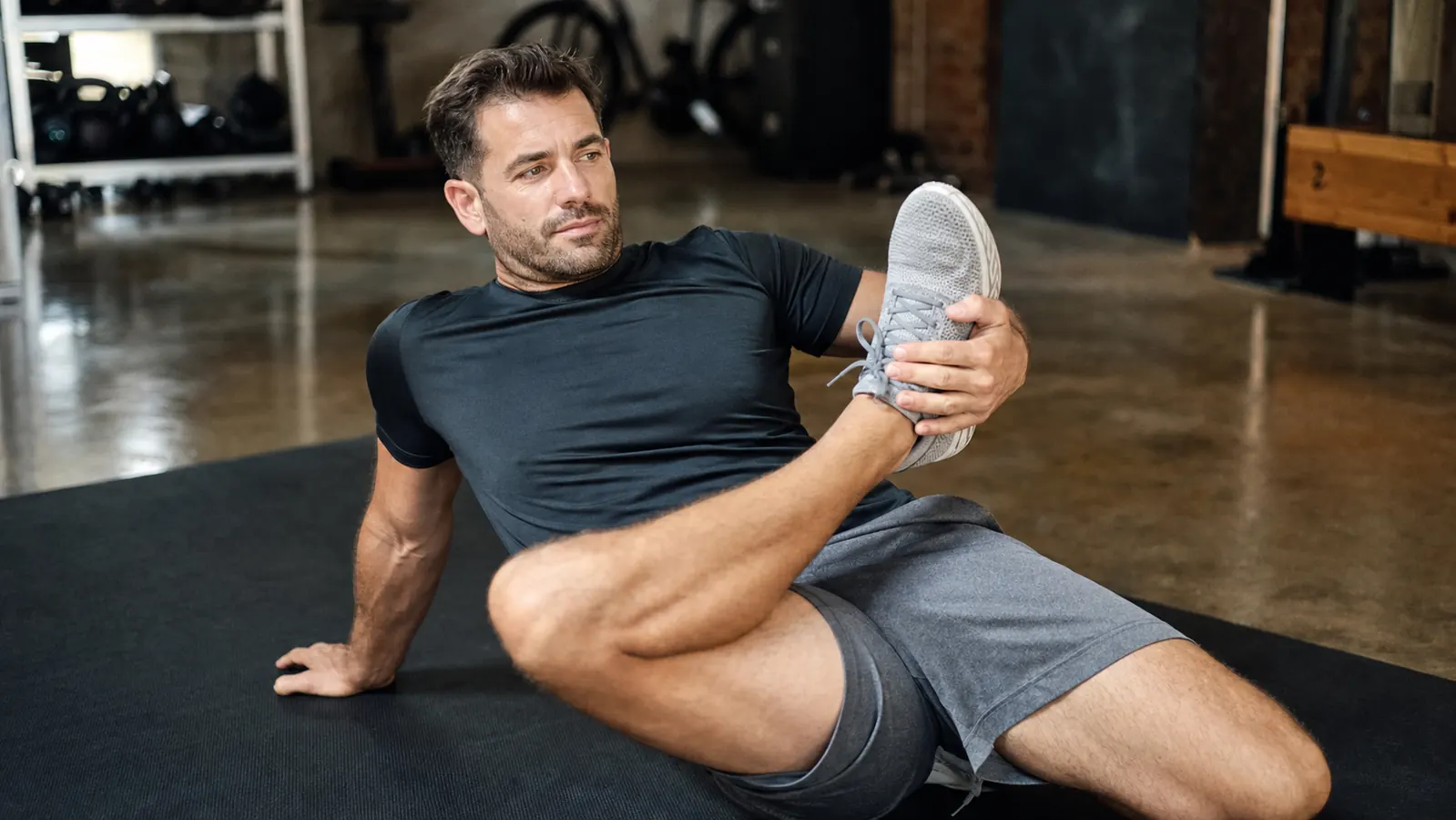
What I Liked
- Reaches trigger points a foam roller and massage gun simply cannot, especially in the glute, piriformis, and sub-occipital area
- Stays round and firm after a year of daily use with zero structural changes
- Two balls in the set allows the double-ball T-spine extension technique, which is outstanding for thoracic mobility
- Small enough to fit in any gym bag, travel bag, or desk drawer, so you actually use it
- Budget-friendly, which makes it the best value recovery tool I own by a wide margin
- Grippy surface provides enough traction against walls and floors without sliding when you lean in
Where It Falls Short
- Too small to efficiently cover large muscle groups like the full quads or hamstrings
- No instructional material included, so new users have to figure out technique on their own
- Surface texture smooths out over many months of use, though firmness is unchanged
- Pressure can be intense for beginners, especially on the glute or under the foot, and people with certain injuries should get clearance before using
Who This Is For
The Kieba balls are the right tool if you have a specific chronic tight spot that is limiting your training and your current recovery tools are not reaching it accurately. If you squat heavy and your hips are always stiff, if you run and your plantar fascia flares up in the morning, if you press a lot and your pec minor and sub-pec region are knotted up, or if you sit at a desk and your thoracic spine feels like a concrete slab by 3 PM, this is exactly what you need. They also make sense as a complement to a foam roller or massage gun rather than a replacement. Think of them as the scalpel where the foam roller is the broad chisel.
Who Should Skip It
If you are dealing with a diagnosed structural injury, nerve impingement, or anything where a doctor or PT has told you to avoid direct pressure on a specific area, do not use this without clearing it first. The firm rubber ball delivers significant point pressure and that is not appropriate for every situation. Also, if your main recovery need is just general muscle soreness across large areas after hard workouts, a foam roller or percussion massage gun will serve you better as the primary tool. The lacrosse ball is not the first thing to buy if you are just getting into recovery. It is the third or fourth thing.
If your hips, glutes, or plantar fascia are the thing holding back your training, these are the balls to try first.
The Kieba set has been in my gym bag every day for over a year. At this price point there is no reason not to try them, and the trigger point spots they can reach are genuinely ones that no other affordable tool handles as well.
Amazon Check Today's Price on Amazon →