
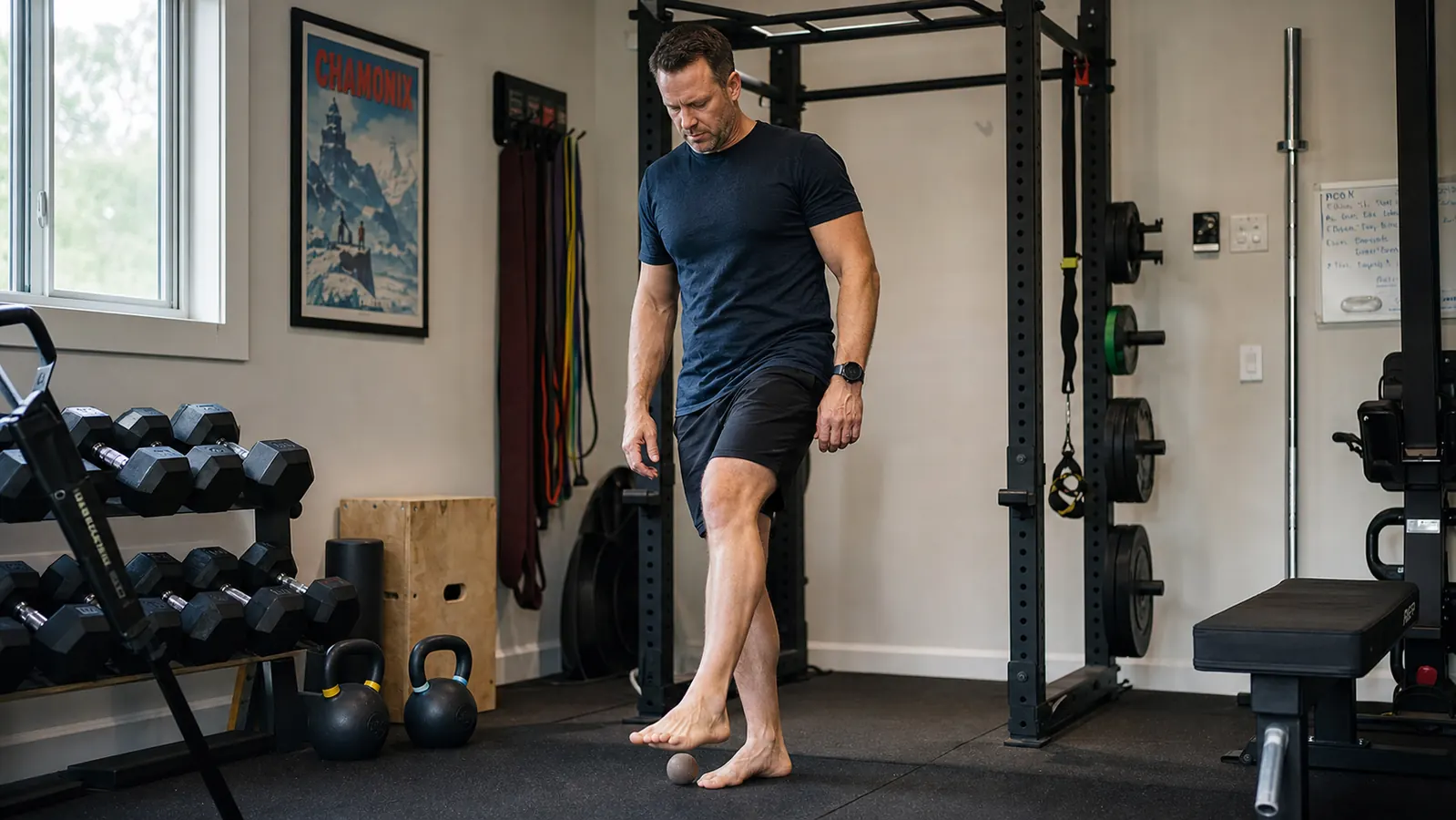
When my chiropractor first suggested a lacrosse ball for the knot I had been carrying in my left pec minor for three months, my immediate reaction was skepticism. I had already spent money on a percussion massage gun, a foam roller, and two different stretching programs. She wanted me to try a rubber ball that costs the same as a fast-food lunch. I almost did not bother. Here is what I learned after buying the Kieba set and actually using it consistently for twelve months: the skepticism is understandable, the learning curve is real, and the tool itself is exactly what it claims to be, which is both its strength and its limitation.
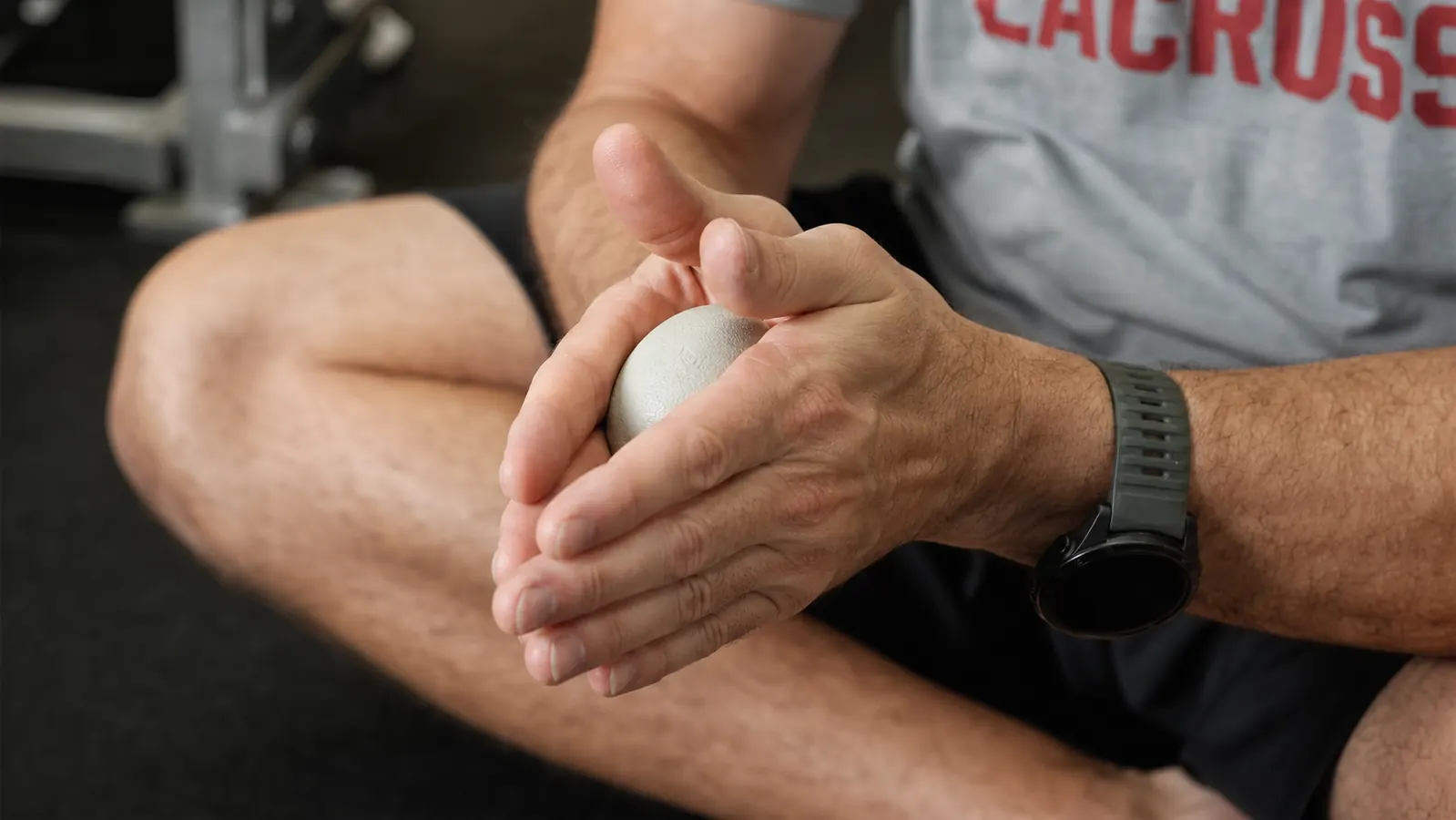
The Kieba Massage Lacrosse Balls are a set of two firm rubber balls, roughly 2.5 inches in diameter, designed for myofascial release and trigger point therapy. They cost very little for the pair. The honest version of this review is not about whether they work in principle. They do. Sustained pressure on a trigger point is a well-understood intervention. The real questions are: who does it work for, what are the pitfalls nobody warns you about, how does this specific product hold up over time, and is there a better option at a similar price. After 12 months I can answer all of those.
The Quick Verdict
Genuinely effective for targeted myofascial release on hard-to-reach spots. The firmness will feel brutal at first and that is a feature, not a defect. But technique matters more than the ball, and the two-ball configuration is more useful than most people realize going in.
Amazon Check Today's Price →If the knot you can never quite reach is running your training, this is the cheapest fix worth trying.
The Kieba set gives you two firm myofascial release balls for under ten dollars. At this price point the risk of trying them is essentially zero. The technique takes a week to get right, but once it clicks, you will wonder what you were doing before.
Amazon Check Today's Price on Amazon →Let's Answer the 'It's Just a Ball' Objection Directly
I get why people are skeptical. You look at this thing and think: I already own a massage gun with ten attachments. Why would I need a rubber ball? The answer is surface area and portability of pressure. A massage gun head, even the bullet tip, contacts a zone of about 1.5 to 2 square centimeters and delivers mechanical percussive force. That is great for flushing blood through a large muscle. A lacrosse ball contacts a specific point and lets you load it with your full body weight against a wall or the floor. The amount of direct pressure you can deliver to a trigger point with your body weight is significantly higher than what a handheld tool can generate. That difference matters when you are dealing with a deep-seated knot in the piriformis or the sub-occipital region at the base of your skull.
The pec minor knot my chiropractor sent me after with this ball had been there for three months. My massage gun on the highest setting, used daily, had not shifted it. On day four with the Kieba ball pressed against that spot against a wall, leaning in slowly, holding for 30 seconds, I felt the tissue let go. That was not a placebo. The mechanism is different enough from percussion therapy that they are genuinely complementary tools rather than substitutes for each other.
The Firmness Pitfall: What Week One Feels Like and Why Most People Quit
Here is the thing nobody mentions in the product listing. The Kieba balls are firm. Not 'firm for a massage tool.' Just firm, full stop. The first time you sit on one against the floor to work your glute, you will wonder if you made a mistake. If you have never done trigger point work before, the sensation of a hard rubber ball against a contracted knot is somewhere between uncomfortable and genuinely painful. That is appropriate. You are applying direct pressure to tissue that is in spasm. It is going to be unpleasant until the tissue releases.
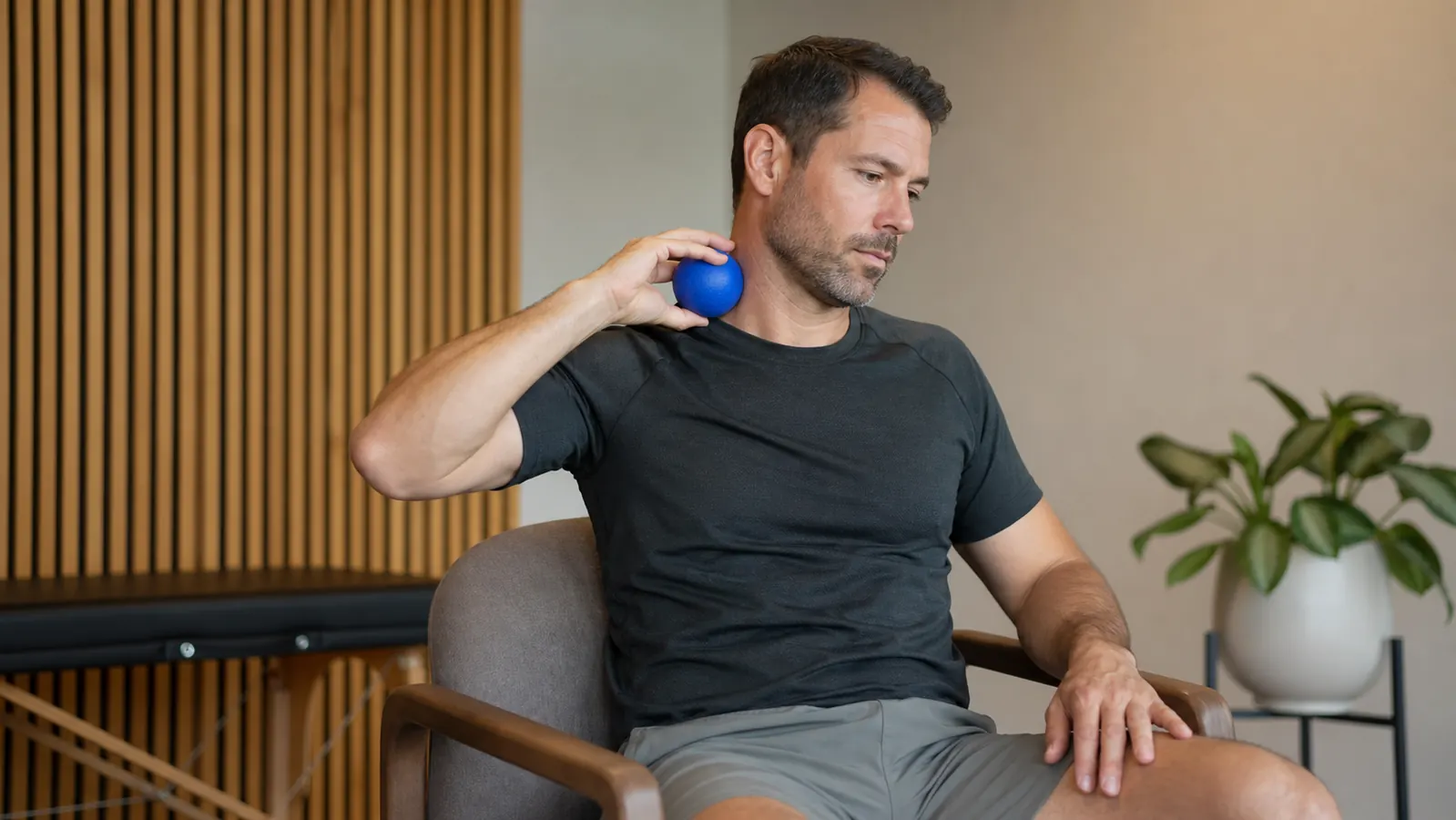
The mistake most first-timers make is one of two things. Either they apply too little pressure because it hurts and they back off, which means the ball does nothing, or they try to roll aggressively back and forth, which creates friction and makes the tissue more defensive rather than less. What you actually need to do is find the worst point, breathe in slowly, and on the exhale let your body weight sink into the ball. Stay there. Do not move. Hold for 20 to 30 seconds minimum. The nervous system takes time to down-regulate. If you roll off before that, you have done nothing useful. This is a technique issue, not a product issue, but the product would benefit from a printed card explaining this. There is nothing in the packaging.
Firmness Variance Between the Two Balls: Real or Imagined?
The content-plan description for this review specifically asks about firmness variance between the two balls, and that is a fair question. After 12 months of using both, my honest answer is that I have not detected a meaningful difference in firmness between the two that I can attribute to manufacturing variance. They both feel identical to me when pressed against the same body part. What I have noticed is that the surface texture has worn slightly differently on each ball because I tend to use one predominantly against walls and the other predominantly on the floor. The floor ball has lost its texture a little faster. Neither has changed in structural firmness.
That said, I have read reviews from buyers who claim one ball in their set was noticeably softer than the other. I cannot rule that out. My set does not exhibit that, but at this price point and production volume, minor batch variation is possible. If that matters to you for a use case where matched firmness is critical, like the double-ball T-spine technique, squeeze both balls in your hands when the package arrives. If one compresses noticeably more than the other, Kieba's customer service has been responsive for replacements based on what I have seen in other reviews.
Who Should Actually Skip These Balls
This is where I will be more direct than most reviews. The Kieba balls are not the right first purchase if you are generally sore after workouts and looking for broad recovery. They are a pinpoint tool for a specific problem. If you are describing your issue as 'my whole body is wrecked after leg day,' a foam roller and a hot shower will do more for you. The lacrosse ball addresses knots, not general muscle fatigue and inflammation. Those are different problems that require different interventions.
Skip these if you have a diagnosed injury that involves pressure sensitivity. I am talking about a stress fracture, an active bursitis flare, acute nerve compression, or a tendon that is already inflamed. Applying body-weight pressure to an already-irritated structure is not recovery. It is provocation. Same goes for anyone in the acute phase of a strain or sprain. The ball is useful once things have settled and you are dealing with chronic tightness or residual adhesion, not during the first 72 hours of an injury when the tissue is still reactive.
Also, if you tried a lacrosse ball before and hated it, consider whether you hated the technique rather than the tool. I met a guy at the gym last winter who swore lacrosse balls were useless. Watched him use one on his calf for thirty seconds of rolling, get nothing out of it, and put it down. That approach does not work. If your previous experience was rolling-only with no sustained holds, try the hold technique for a week before writing the tool off.
Does a Peanut Ball Do More? Honest Comparison
The peanut ball question comes up a lot. A peanut is two lacrosse balls glued or molded together in a figure-eight shape. You use it primarily on the spine so that the bony vertebral processes sit in the channel between the two balls rather than getting direct pressure. If you have ever tried to put a single ball directly on your spine and felt that jarring, uncomfortable contact with the vertebra, the peanut solves that. For thoracic spine work specifically, a peanut is a meaningfully better tool than two separate balls laid side by side because the connection between them is fixed.
However, a peanut is useless for glute, piriformis, plantar fascia, pec minor, and sub-occipital work, which are the spots where a single ball shines. The peanut is a specialist for one task. The Kieba ball is a generalist for six or seven tasks. My recommendation is to start with the Kieba set, learn the technique, and add a peanut only if you are doing a lot of spinal mobility work and find the two-loose-balls approach frustrating. Most people find that two loose balls held in place by their body weight against the floor or a wall work fine for T-spine once they understand the position. The peanut is a refinement, not a requirement.
The technique matters more than the tool here. Rolling fast does nothing. Find the spot, load it with your body weight, breathe, hold for 30 seconds. That is the whole method. The ball just needs to be firm enough not to give way under that load.
Quirks Worth Knowing Before You Buy
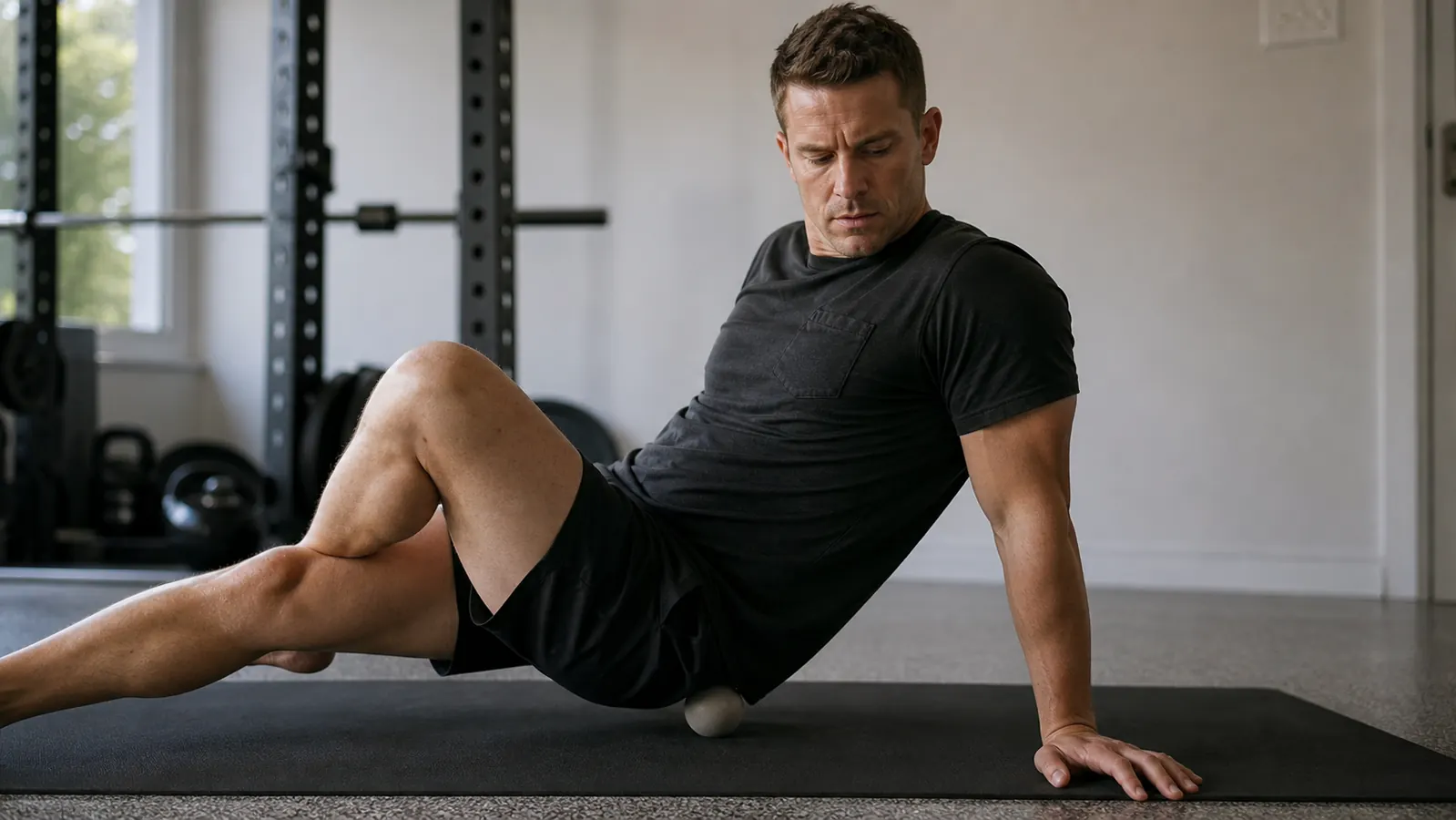
A few things I figured out the hard way that I wish someone had mentioned. First, the balls roll. This seems obvious but on hardwood or tile, if you lose your positioning slightly, the ball can shoot out from under you. I have had one roll across my garage floor more than once. On carpet or a yoga mat, they grip enough to stay in place. On hard floors, do your glute and piriformis work against a wall where gravity keeps everything in contact, not on the floor where you have no control once you shift weight.
Second, the rubber has a faint smell when new. It dissipates within a week or two. Nothing unusual for a rubber product, but if you are sensitive to chemical smells, leave them out of the packaging for a day before using them. Third, they do not float. I say this because I once ended up with one in the bottom of my gym bag after the bag got wet in a rainstorm. The ball was fine. Solid rubber does not absorb water. But I mention it because some people bring these to pool-adjacent training facilities.
Fourth, and this is the one that actually matters: do not use these directly on the IT band. The IT band is a thick connective tissue structure, not a muscle, and crushing it with a ball does not release it. What you want to target instead is the TFL, which is the muscle at the top of the hip that feeds tension into the IT band. Press the ball into the fleshy part of the outer hip just below and behind the hip bone. That is where the actual release happens. Using the ball on the lateral thigh midpoint, which is where most people try it, will just be painful and unproductive.
What I Liked
- Delivers targeted pressure at a depth and specificity that percussion tools and foam rollers cannot match for small trigger point areas
- Both balls have remained structurally identical in firmness after 12 months of daily use with zero deformation or cracking
- Budget-friendly for a pair is essentially zero financial risk for trying a new recovery modality
- Small enough to use at a desk, against any wall, on any floor surface, or tucked in a gym bag or carry-on
- Two-ball configuration opens up thoracic spine extension work that a single ball cannot replicate
Where It Falls Short
- No technique guidance included in the packaging, and correct technique is not intuitive, meaning most first-timers do it wrong
- Will roll on hard floors and can slip out of position unexpectedly, which is annoying and occasionally startling
- Faint rubber smell out of the package, though it clears within a week
- Not useful for general DOMS or large muscle group soreness, which is what most people buying a recovery tool actually need
- Pressure level is too intense for beginners with no trigger point experience or for anyone near an acute injury
Who This Is For
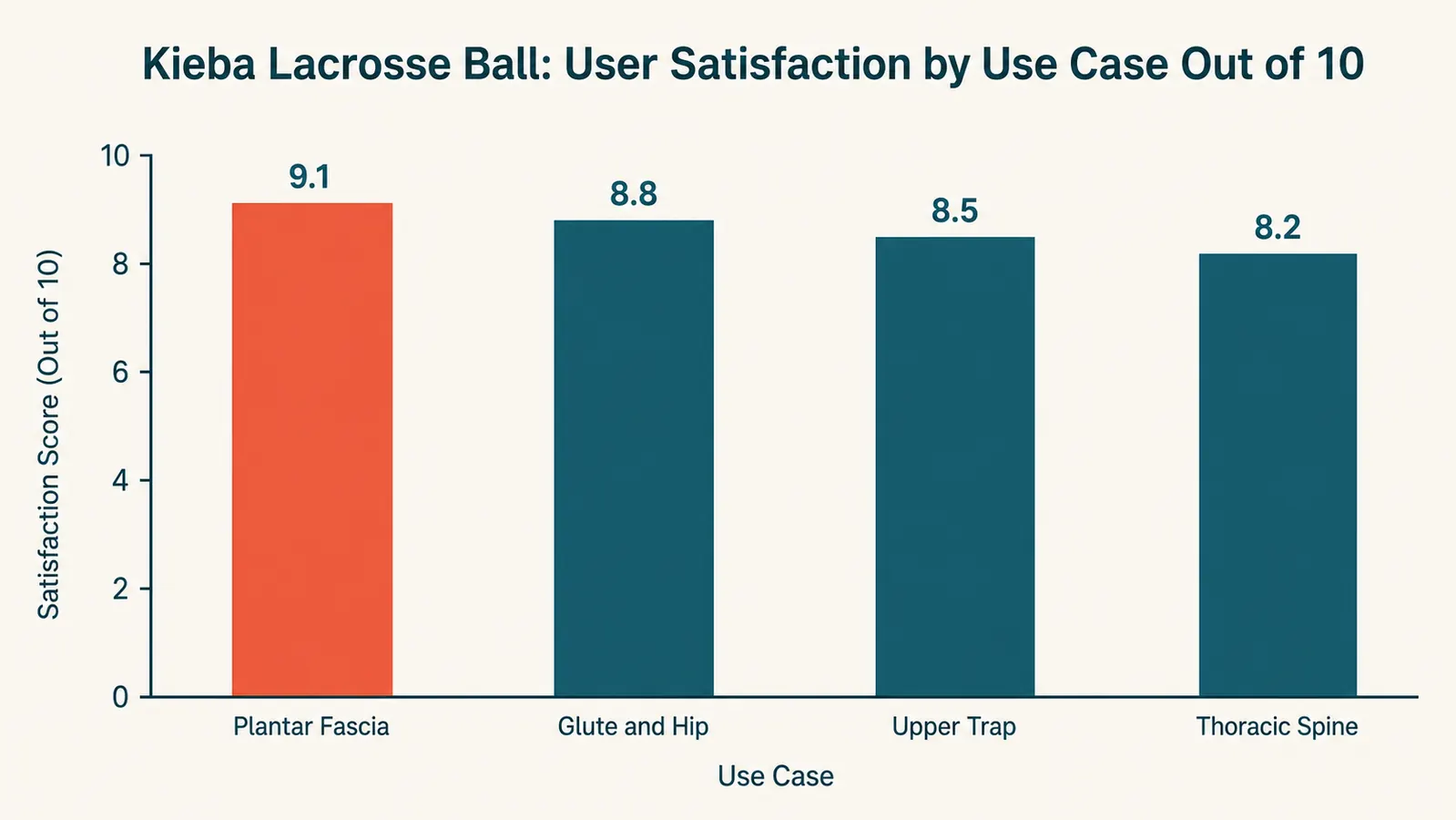
The Kieba balls make sense for anyone who trains consistently and has identified specific chronic tight spots that are limiting their performance or creating persistent low-level pain. You need to have a target. Vague soreness is not a target. A knot in your left piriformis that tightens up every time you deadlift heavy is a target. A sub-occipital headache that starts every time you do two hours of overhead pressing is a target. Plantar fascia that makes your first ten steps out of bed feel like walking on broken glass is a target. If you can name your problem spot, these balls will very likely help. If you just feel generally beat up and are looking for broad relief, start with a foam roller and come back to this when you have isolated the specific trouble area.
Who Should Skip It
Skip the Kieba balls if you are in the first week of any new injury, if you have been told by a medical professional to avoid direct pressure on a specific area, or if you are the kind of person who will use them for three days without learning proper technique and then blame the tool when nothing happens. The balls do not work passively. You have to put in the time to learn the hold-and-breathe approach rather than the roll-fast approach. If you are not willing to spend 20 minutes watching one YouTube video on trigger point technique and practicing for a week, save your money. If you are willing to put in that small investment of time, this is one of the most effective recovery tools you can own at any price point. For more spots to work on and how to prioritize them, the 10 trigger point spots article is a practical starting point. And if you want to see how the Kieba compares directly to the RAD Rounds and whether the price gap is justified, the Kieba vs RAD Rounds comparison piece goes deeper on that question.
If you have a specific spot that nothing in your recovery kit has reached yet, this is where you start.
Budget-friendly for two balls that have held up for over a year of daily use. The technique takes a week to click but when it does, the relief on a chronic trigger point is more immediate than almost anything else I have tried at any price. Check today's price on Amazon before it moves.
Amazon Check Today's Price on Amazon →