
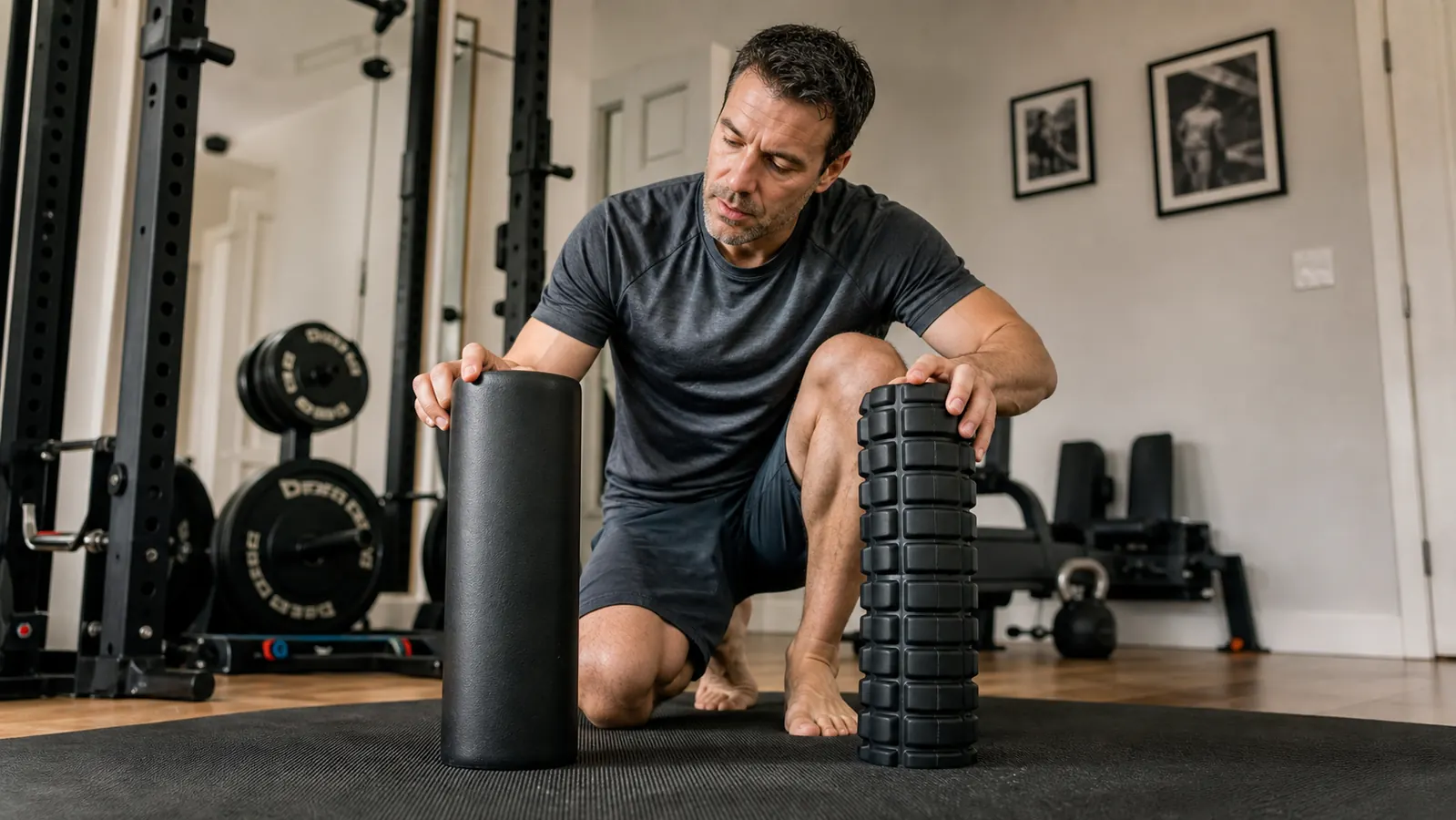
Here is the short answer: if you are shopping for your first foam roller, or you want a second one to keep at the office or in a travel bag, buy the ProsourceFit. If you already own a standard roller and want a textured surface to dig into knots along your lats or between your shoulder blades, the TriggerPoint GRID does that job well. But for most people doing most workouts, the ProsourceFit handles everything the GRID does at a fraction of the price.
I have been using both rollers for over a year now. The ProsourceFit 12-inch high-density roller lives next to my squat rack. The TriggerPoint GRID came into my garage gym a few months later when I was hunting for something to work out a stubborn knot under my left shoulder blade. After enough sessions on each, I can tell you exactly where the price gap is justified and where it is not.
| ProsourceFit Foam Roller | Trigger Point GRID | |
|---|---|---|
| Price | Check today's price on Amazon | Check today's price on Amazon |
| Length | 12 inches | 13 inches |
| Diameter | 6 inches | 5.5 inches |
| Core Construction | Solid high-density EVA foam | Hollow ABS plastic core, foam grid surface |
| Surface Texture | Smooth, uniform | Multi-density grid pattern |
| Weight | 0.75 lbs | 0.85 lbs |
| Durability After 12+ Months Daily Use | No compression or cracking | Foam surface shows wear at high-contact zones |
| Best For | Quads, IT bands, calves, thoracic spine | Localized trigger point work, lats, upper back |
| Amazon Rating | 4.6 stars (20,500+ reviews) | 4.5 stars |
Where the ProsourceFit Wins
Density is the first place the ProsourceFit earns its money. The solid EVA foam construction means the roller does not flex when you put your full body weight on it. I weigh 194 lbs. After 18 months of daily use, the ProsourceFit has not compressed noticeably. It still feels like rolling on the same firm surface I unboxed on day one. That matters because a roller that compresses under your weight stops doing its job. You end up sinking into it rather than working into the tissue.
The second win is durability for the price. At a budget-friendly price point, the ProsourceFit is not a disposable tool. I have used it before and after runs, after heavy squat days, during morning warm-ups, and on long airport layovers while traveling for work. The surface has not cracked or developed flat spots. If you handed me this roller in a blind test and told me it cost significantly more, I would believe you. The fact that it costs so little is just a bonus.
Coverage area is the third factor. The smooth, uniform surface lets you make broad, even contact across large muscle groups like quads, hamstrings, and the thoracic spine. When I am doing a full-body roll-out after a hard training day, I want that consistent surface. The GRID's raised columns and ridges create pressure points that feel great on some muscles but can be too aggressive when you are rolling a large area quickly.
Stop rolling on foam that compresses under your weight.
The ProsourceFit High Density Foam Roller holds firm session after session, and at current pricing it costs less than a foam roller replacement from most gym brands.
Amazon Check Today's Price on Amazon →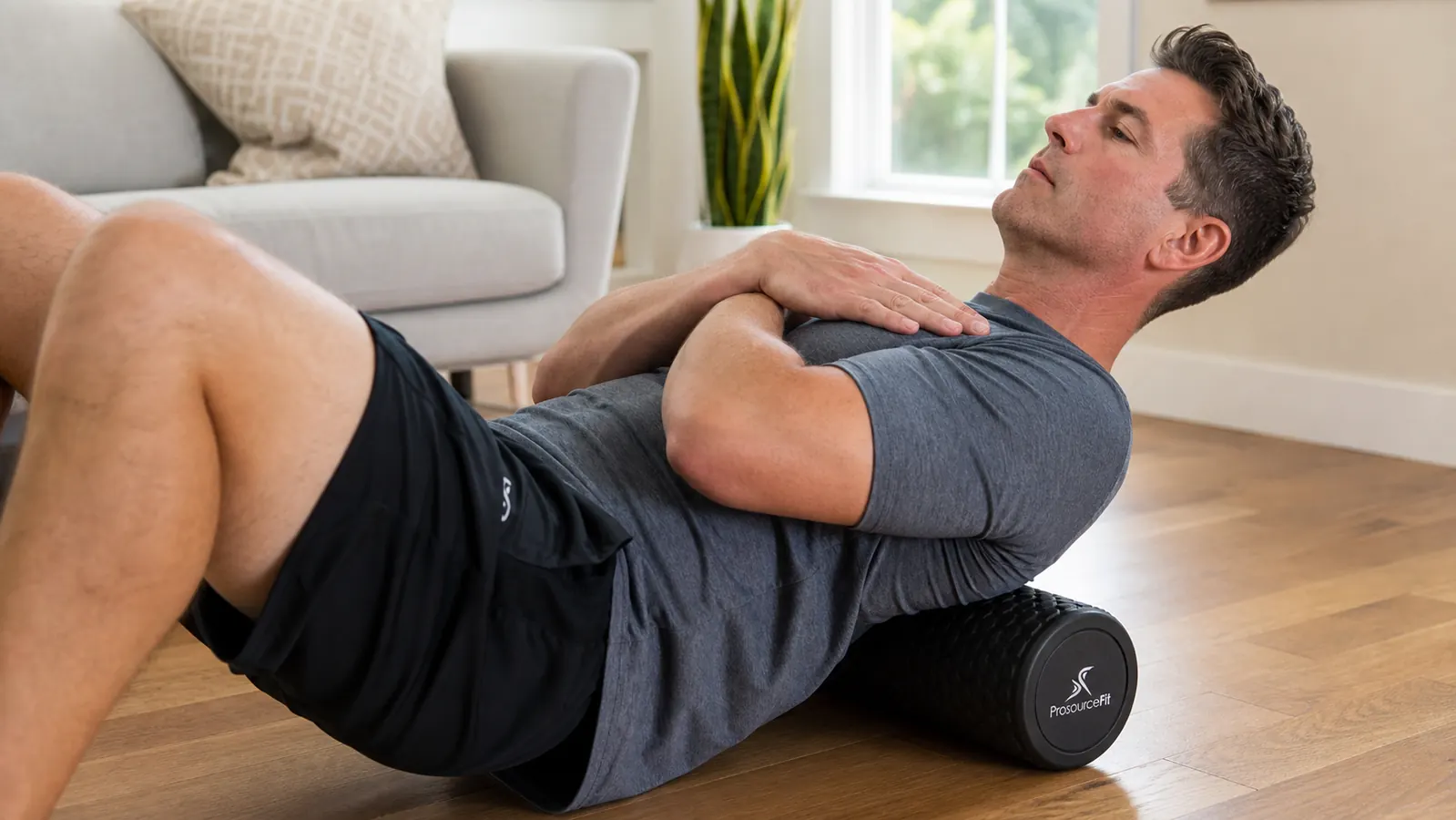
Where the TriggerPoint GRID Wins
The GRID does one thing better than the ProsourceFit, and it does it noticeably better: localized trigger point work. The multi-density surface has three different zone types, similar to a massage therapist alternating between the flat palm of the hand, the knuckles, and the fingertips. When I have a specific adhesion under my left scapula or a stubborn spot in my glute medius, the GRID's texture gets into those pockets in a way a smooth roller simply cannot replicate.
The GRID also handles upper back work, particularly mid-thoracic extension, with more stimulation per pass. If you spend time at a desk and come into the gym with your upper back locked up, the surface variation of the GRID gives you more feedback per pass. You feel where the tight spots are because the texture changes how pressure distributes. For that specific use case, the price premium has a real rationale.
The GRID is a specialist. The ProsourceFit is a workhorse. And in a garage gym that needs tools that do most jobs well, I will take the workhorse every time.
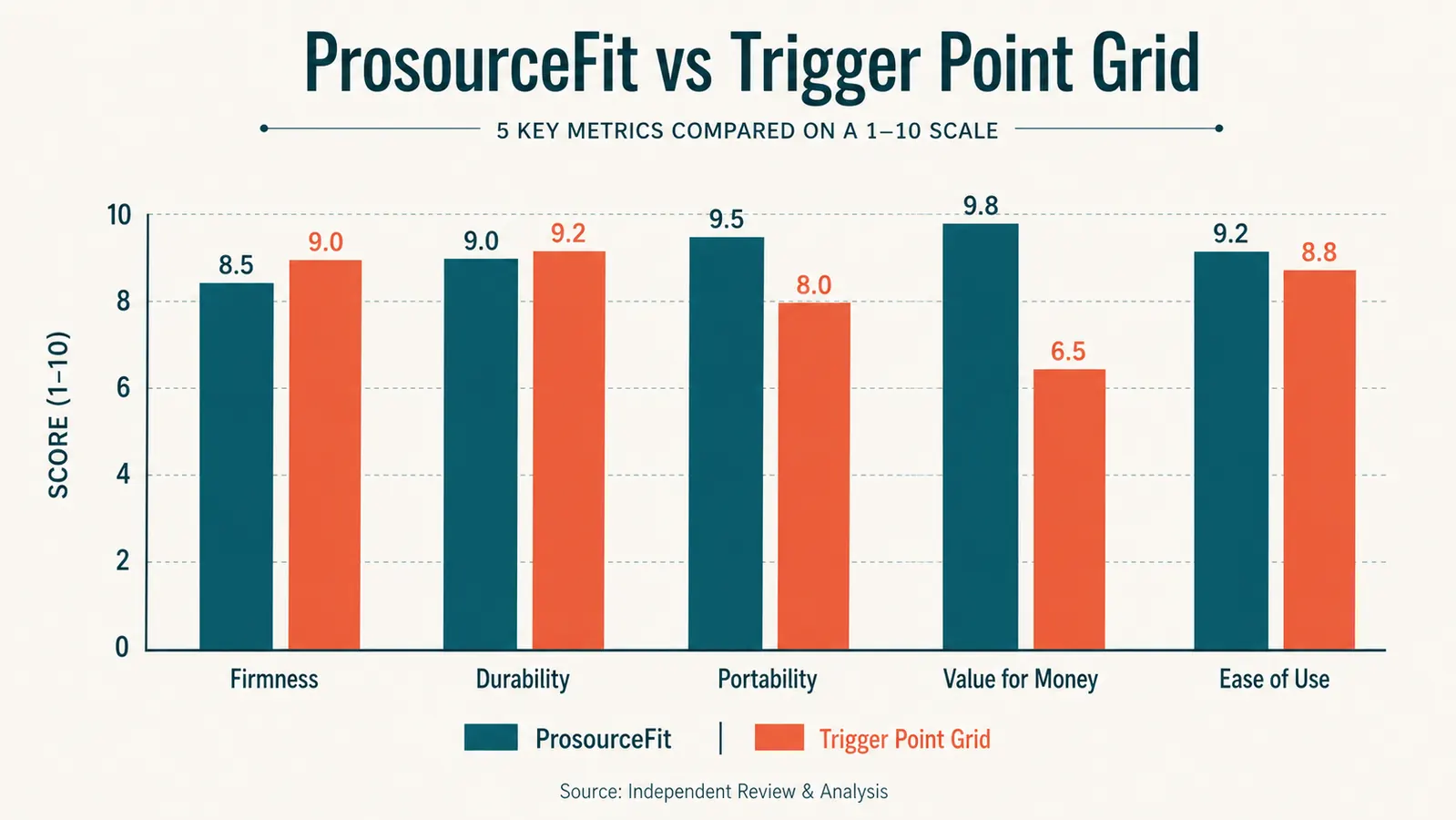
The Core Construction Difference Nobody Talks About
One thing I did not expect when I first bought the GRID was how the hollow ABS plastic core changes the feel over time. When you first use a GRID roller, the hollow core actually makes it feel slightly lighter and more responsive underfoot. But that hollow core also means the foam grid surface is working harder than the solid foam of the ProsourceFit. After extended use, I started noticing micro-compression in the higher zones of the GRID's grid pattern where I roll most frequently, the outer quad and the upper back. Nothing dramatic, but you can feel the difference between a new GRID and one that has logged a few hundred sessions.
The ProsourceFit's solid EVA construction means there is no hollow core and no thin foam surface bearing all the load. The whole cylinder is the same dense material from outside edge to center. It has no weak points. After a year and a half, it looks the same as it did on day one. If longevity per dollar spent is your measure, the ProsourceFit is not even close on this one.
Who Should Buy Which
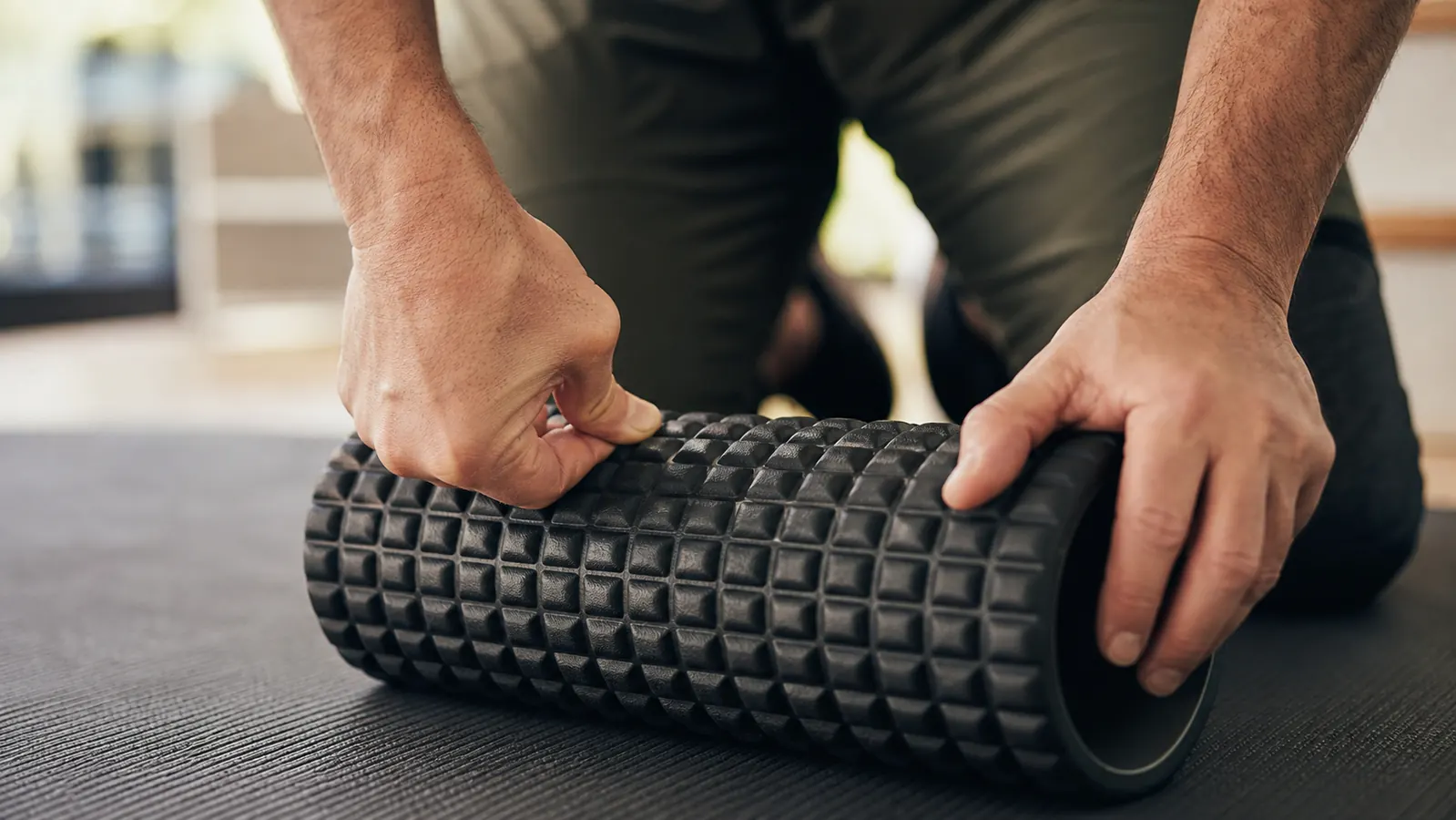
Buy the ProsourceFit if you are new to foam rolling, if you want a dedicated roller for large muscle group recovery, if budget matters, or if you need a second roller for travel or a secondary space. It handles 90 percent of what most gym-goers and runners actually need from a foam roller. At its price point, you can buy two for less than the cost of one GRID.
Buy the TriggerPoint GRID if you already own a standard roller and want to add targeted texture work to your routine, if you have specific chronic knots that a smooth roller does not resolve, or if you have the budget and want the specialist tool. It is not a bad product. It just cannot justify a 3x price premium for most people most of the time.
If you are trying to decide between the two for your first foam roller purchase, start with the ProsourceFit first. Learn how to use it properly on your quads, IT bands, calves, and thoracic spine. If after six months you find yourself wanting more texture for specific trigger point work, the GRID will still be there. In the meantime, you have budget left over for a lacrosse ball, which handles pinpoint trigger point work better than either roller anyway. For more on technique with your roller, see the guide on how to foam roll tight IT bands and quads the right way.
A Note on Length
Both rollers are in the 12-to-13-inch range, which is the short roller category. If you are 6 feet or taller and do a lot of thoracic spine work, you may find a 36-inch roller more useful for your back. For IT bands, calves, quads, and glutes, the 12-inch length works perfectly. It is also easier to travel with. I have thrown the ProsourceFit into a backpack for trail run trips and kept the GRID at home. That portability matters more than most buyers think when they first purchase.
The ProsourceFit's 6-inch diameter is also slightly larger than the GRID's 5.5-inch diameter. That half-inch does not sound like much, but it changes the angle of contact on the floor, which affects how aggressively the roller works into your tissue. The larger diameter means a slightly less intense pressure per square inch, which is actually useful when you are working on a large sore area and do not want to inflame it further. If you want the deeper dig, the GRID's smaller diameter combined with its textured surface delivers more localized intensity. You pay for that specificity in dollars and in soreness the first few sessions.
I have also covered the ProsourceFit in more depth in my full long-term review. If you want to know exactly how it held up over 18 months of daily garage gym and trail running use, that write-up goes deeper on construction, durability, and the routines I use it for. See the ProsourceFit foam roller long-term review for the full picture before you decide.
The ProsourceFit is the smarter first roller and a better long-term buy for most athletes.
Over 20,000 reviews and a 4.6-star rating back up what I have found in practice. Check today's price and see why it keeps beating rollers that cost three times as much.
Amazon Check Today's Price on Amazon →